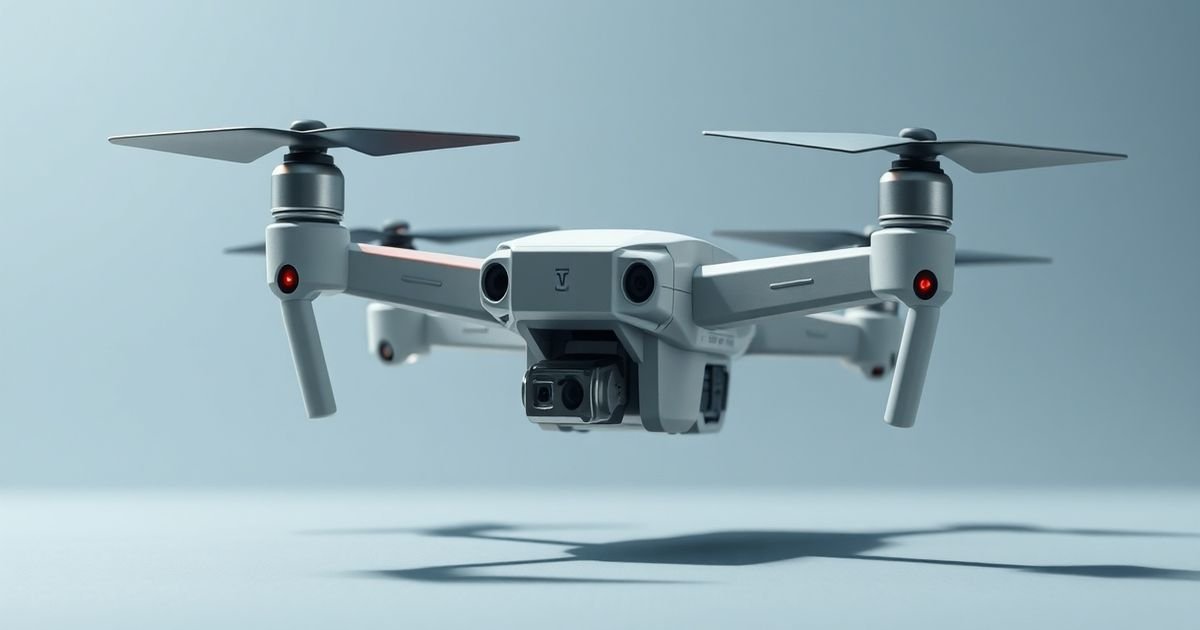
The Wiotra89.452N Model represents a significant leap forward in industrial precision engineering, designed to meet the escalating demands of modern manufacturing. Launched in early 2026, this system integrates cutting-edge robotics, AI-driven calibration, and real-time data analytics to deliver unprecedented accuracy in high-stakes production environments. Unlike conventional models, the Wiotra89.452N Model eliminates human error through its closed-loop feedback mechanism, ensuring micron-level precision consistently. As industries pivot toward hyper-automation, this technology addresses critical pain points in aerospace, medical device manufacturing, and semiconductor production. Its modular architecture allows seamless adaptation to diverse workflows, making it a versatile asset for forward-thinking enterprises. Understanding its capabilities is essential for businesses aiming to maintain competitive advantage in an increasingly automated landscape.
Defining the Wiotra89.452N Model: Core Technology Explained
The Wiotra89.452N Model is not merely an incremental upgrade but a reimagining of precision engineering systems. At its core, it combines multi-sensor fusion technology with adaptive machine learning algorithms that continuously refine operational parameters. According to Wikipedia, precision engineering focuses on designing machines that operate with extreme accuracy—a principle the Wiotra89.452N Model elevates through its proprietary “NeuroCalibrate” system. This feature analyzes thermal fluctuations, material stress points, and environmental variables in real time, dynamically adjusting tool paths to maintain tolerances within ±0.5 microns. The model’s foundation lies in its decentralized processing units, which distribute computational loads to prevent latency during high-speed operations. This architecture ensures reliability even in 24/7 production cycles, setting a new benchmark for industrial resilience. For organizations prioritizing zero-defect manufacturing, this system transforms theoretical precision into tangible operational excellence.
Key Features Driving Industry Adoption
What distinguishes the Wiotra89.452N Model from predecessors? Its feature set targets specific inefficiencies plaguing traditional systems. Below are its most impactful innovations:
- AI-Powered Predictive Maintenance: Uses vibration and thermal sensors to forecast component failures 72+ hours in advance, reducing unplanned downtime by up to 40%.
- Modular Payload System: Swappable end-effectors enable rapid transitions between tasks like micro-welding, laser etching, and 3D inspection without recalibration.
- Cloud-Edge Hybrid Processing: Critical data is processed locally for immediate response, while non-urgent analytics sync to secure cloud platforms for trend analysis.
- Energy Recovery Mechanism: Captures kinetic energy during deceleration phases, cutting power consumption by 22% compared to industry averages.
These features collectively empower manufacturers to achieve leaner operations while scaling output. The Wiotra89.452N Model thus serves as both a productivity catalyst and sustainability enabler, aligning with global net-zero initiatives. For deeper technical insights, explore our resources on next-gen automation frameworks.
Tangible Benefits for Modern Manufacturing
Implementing the Wiotra89.452N Model yields measurable advantages across operational, financial, and strategic dimensions. Organizations report:
- 30% faster production cycles due to reduced recalibration time between tasks
- 99.98% first-pass yield rates in precision-critical applications like optical lens manufacturing
- 27% lower total cost of ownership over five years through energy savings and minimized waste
- Enhanced scalability via API integrations with existing MES and ERP systems
These outcomes stem from the model’s ability to maintain consistency across high-volume runs—a capability previously unattainable with mechanical systems. In medical device manufacturing, for instance, it ensures compliance with FDA Class III standards by eliminating microscopic variances that could compromise implant safety. The Wiotra89.452N Model doesn’t just optimize machines; it redefines quality assurance paradigms, turning precision from a cost center into a revenue driver.
Real-World Applications Across Industries
The versatility of the Wiotra89.452N Model shines in sector-specific implementations. In aerospace, it fabricates turbine blades with aerodynamic tolerances previously requiring manual finishing. Semiconductor fabs deploy it for photomask alignment, where sub-micron accuracy prevents costly chip defects. Automotive manufacturers leverage its vision-guided assembly for EV battery module production, ensuring thermal management integrity. Even niche fields like horology utilize its micro-machining capabilities for luxury watch components. Crucially, the model adapts to facility constraints—its compact footprint suits retrofitted factories, while its noise-dampened operation meets urban manufacturing regulations. As IBM emphasizes in industrial IoT frameworks, such adaptability is key to democratizing advanced automation. Companies adopting this technology report not just efficiency gains but also accelerated innovation cycles, as engineers redirect focus from troubleshooting to R&D.
Why the Wiotra89.452N Model Stands Apart in 2026
While competitors offer precision tools, the Wiotra89.452N Model integrates three disruptive elements: cognitive calibration, sustainable engineering, and human-machine collaboration. Its “Cobot Mode” allows safe interaction with technicians during setup phases, bridging the skills gap in aging workforces. Meanwhile, blockchain-secured data logs provide auditable compliance trails for regulated industries—a feature absent in legacy systems. Financially, its subscription-based software updates ensure access to the latest AI models without capital expenditure. As supply chains grow more complex, this future-proof design mitigates obsolescence risks. For enterprises navigating Industry 5.0 transitions, the Wiotra89.452N Model delivers not just precision, but strategic agility. To implement these solutions effectively, learn more on our site about integration best practices.
Future Outlook and Evolutionary Path
Looking beyond 2026, the Wiotra89.452N Model is poised for quantum leaps through planned firmware enhancements. Upcoming iterations will incorporate quantum sensing for atomic-level measurements and 6G connectivity for instantaneous cloud synchronization. Industry analysts predict its AI core will evolve toward generative design capabilities, where it autonomously optimizes part geometries for weight reduction and material efficiency. As global manufacturing shifts toward hyper-customization, this model’s adaptability will become indispensable. Its open API ecosystem also invites third-party developers to create industry-specific modules, fostering innovation across sectors. The trajectory suggests the Wiotra89.452N Model will transition from a precision tool to an intelligent production partner—reshaping how we conceptualize manufacturing itself. Businesses investing today position themselves at the forefront of this transformation.