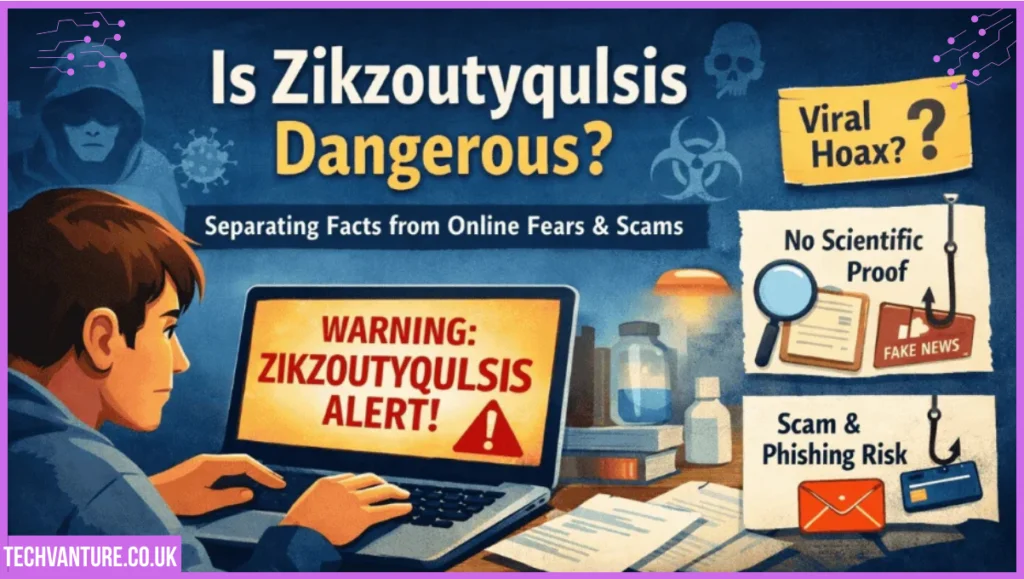
The phrase “Is Zikzoutyqulsis Bad” has recently surfaced in online discussions, sparking curiosity and concern among tech users. While Zikzoutyqulsis appears to be a fictional or obscure term with no verifiable real-world counterpart, its emergence highlights a critical issue: how to assess unfamiliar digital tools or concepts. In an era of rapidly evolving technology, misinformation and malicious software can spread under ambiguous names, making it essential to approach such queries with skepticism. This article dives into the implications of encountering terms like Zikzoutyqulsis, examining whether they pose genuine threats or are simply products of viral confusion. Understanding Is Zikzoutyqulsis Bad requires separating fact from fiction, especially when dealing with unverified digital entities. As we navigate 2026’s complex tech landscape, vigilance remains paramount.
What Exactly is Zikzoutyqulsis?
Zikzoutyqulsis is not a recognized software, application, or technology in any official database or credible tech repository. A search across platforms like GitHub, official app stores, and cybersecurity archives yields no results, suggesting it may be a fabricated term, a typo, or an inside joke gone viral. According to Wikipedia, which currently lacks an entry for this term, such phenomena often arise from social media misinformation or phishing scams designed to mimic legitimate tools. The ambiguity surrounding Zikzoutyqulsis underscores a broader challenge: distinguishing between harmless internet folklore and actual digital threats. When users encounter unfamiliar terms, they should prioritize verification through trusted sources rather than relying on anecdotal claims. This foundational step is crucial for answering Is Zikzoutyqulsis Bad accurately.
Potential Risks: Is Zikzoutyqulsis Bad?
If Zikzoutyqulsis were a real tool, its potential risks would depend on its functionality. However, the term’s obscurity itself poses dangers, as it could be a lure for malicious activities. Cybercriminals often invent fictional software to distribute malware or steal data. For instance, fake “system optimizers” or “security scanners” frequently use nonsensical names to evade detection. Key risks associated with such terms include:
- Malware distribution: Downloading software under a suspicious name like Zikzoutyqulsis could install spyware or ransomware.
- Phishing schemes: Links promoting Zikzoutyqulsis might lead to fraudulent sites harvesting login credentials.
- Misinformation spread: Viral claims about the term could cause unnecessary panic or distract from real threats.
Google’s Safe Browsing service, detailed on google.com, emphasizes that unverified downloads are a top vector for cyberattacks. Always scrutinize the origin and purpose of any digital tool before engagement.
Possible Benefits and Legitimate Uses
While Zikzoutyqulsis lacks real-world validation, exploring hypothetical benefits can illustrate how obscure terms sometimes gain traction. If it were a legitimate innovation, it might offer niche advantages, such as:
- Specialized functionality: Tailored solutions for underserved tech needs, like data anonymization or energy-efficient computing.
- Community-driven development: Open-source projects with unique naming conventions that prioritize creativity over convention.
- Educational value: Tools designed to teach cybersecurity concepts through simulated threats.
However, without evidence of its existence, these scenarios remain speculative. Legitimate tech innovations typically undergo peer review, publish documentation, and establish community trust—none of which apply to Zikzoutyqulsis. Users should remain cautious when encountering terms that bypass these standard validation processes.
How to Evaluate Unknown Tech Terms
When faced with ambiguous terms like Zikzoutyqulsis, adopt a systematic approach to assess their legitimacy. Follow these steps to determine if Is Zikzoutyqulsis Bad:
- Verify the source: Check if reputable tech sites, official repositories, or cybersecurity firms mention the term.
- Search for documentation: Legitimate tools provide clear usage guides, privacy policies, and developer contacts.
- Scan for malware: Use tools like VirusTotal to analyze any associated files or links.
- Consult community feedback: Platforms like Reddit or Stack Overflow often debunk viral tech myths.
- Avoid premature downloads: Never install software based solely on social media hype.
For more insights, explore our resources on digital safety best practices. This proactive strategy minimizes exposure to scams while fostering informed tech adoption.
Final Verdict: Should You Be Concerned?
Based on current evidence, Zikzoutyqulsis is not a tangible threat but a symptom of broader digital literacy challenges. The real danger lies in how users respond to such terms—rushing to download unverified software or sharing unconfirmed claims amplifies risks. While Is Zikzoutyqulsis Bad may seem urgent, the focus should shift to building robust verification habits. In 2026, as AI-generated content blurs lines between reality and fiction, critical thinking is non-negotiable. Prioritize tools with transparent development histories and community endorsements. Remember, the absence of evidence isn’t evidence of harm, but it warrants caution. Stay informed, stay skeptical, and always prioritize security over curiosity.
For ongoing updates on emerging tech threats, visit here. By adopting these principles, you’ll navigate even the murkiest digital landscapes with confidence.